

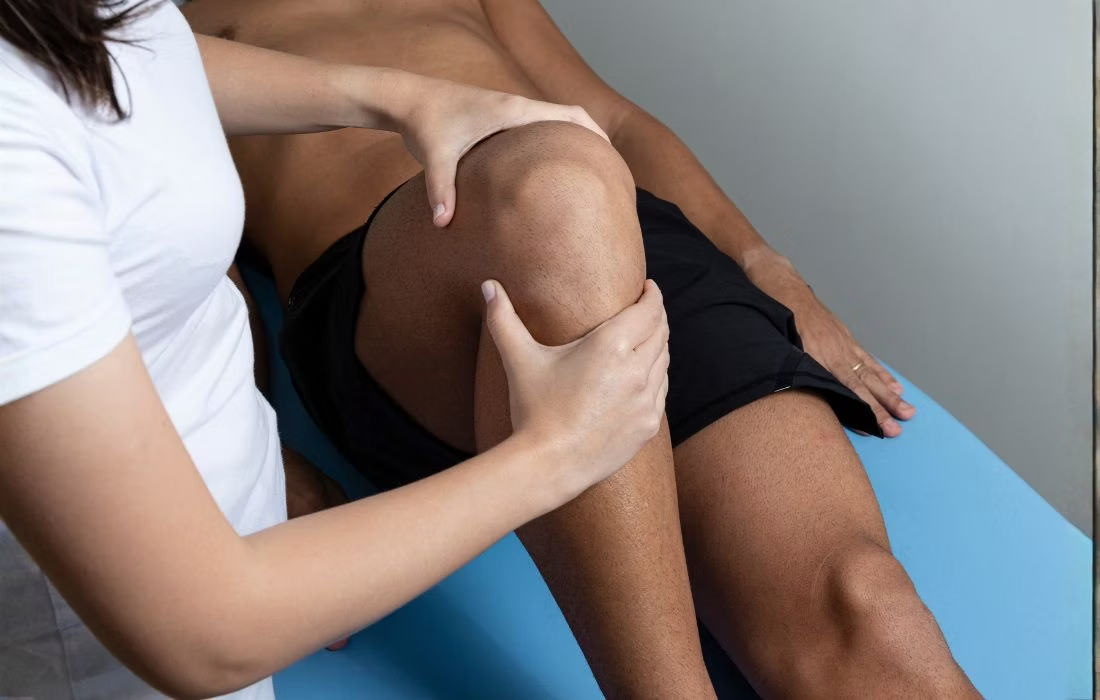
Sports injuries can affect anyone, from professional athletes to weekend runners and people who exercise for fitness. A sudden twist, overuse injury or impact can cause pain, swelling and reduced movement, making it difficult to continue your normal activities.
Sports medicine Canberra services can help assess injuries, support recovery and reduce the risk of future problems. At Weston Creek Family Medicine, our GPs provide sports medicine care, including injury treatment and prevention, rehabilitation advice, and exercise and nutrition guidance.
What Is Sports Medicine?
Sports medicine focuses on the prevention, assessment and management of injuries and health concerns related to physical activity and sport.
You do not need to be a professional athlete to benefit from sports medicine. A sports doctor can help people who participate in recreational exercise, school sports, fitness programs or competitive activities.
Sports medicine may involve working with other healthcare professionals, including physiotherapists, exercise physiologists, rehabilitation physicians and dietitians or nutritionists.
What Are Common Sports Injuries?
Sports injuries can happen because of sudden impact, falls, twisting movements, overuse or increasing exercise intensity too quickly. Common examples include:
Sprains and Strains
A sprain affects a ligament, while a strain involves a muscle or tendon. They can cause pain, swelling, bruising and difficulty using the affected area.
Joint Injuries
Knees, ankles, shoulders and wrists can be affected during sports. A joint injury may involve swelling, restricted movement, instability or pain when putting weight on the area.
Tendon Injuries
Repeated loading can contribute to tendon problems. Persistent tendon pain should not simply be ignored, particularly when it interferes with exercise or everyday activities.
Overuse Injuries
Not every sports injury happens during one dramatic incident. Repetitive training, insufficient recovery or suddenly increasing exercise volume can contribute to overuse injuries.
When Should You See a Sports Doctor?
Not every minor ache requires medical attention, but persistent or significant symptoms should be assessed.
You should consider seeing a sports doctor if:
- Pain is severe or getting worse.
- You cannot put weight on an injured limb.
- A joint looks deformed or unstable.
- Swelling or bruising develops quickly.
- Movement is significantly restricted.
- Symptoms are not improving with appropriate rest.
- The injury is affecting work, exercise or daily activities.
- You have had a previous injury in the same area.
For example, healthdirect recommends medical assessment when a sprain or strain causes significant pain, there is concern about a fracture or dislocation, or symptoms are not improving.
What About Head Injuries?
Head injuries require particular caution. If you experience confusion, loss of consciousness, seizures, worsening consciousness, vomiting or other serious symptoms after a head injury, urgent medical attention may be required.
For serious or life-threatening injuries, call 000 or attend the nearest emergency department.
How Are Sports Injuries Assessed?
During an appointment, your GP may ask how the injury occurred, where you feel pain and whether you have experienced similar problems before.
The assessment may include checking:
- Movement and flexibility
- Swelling and bruising
- Muscle strength
- Joint stability
- Pain levels
- Your ability to walk or perform specific movements
Depending on the injury, further investigation or referral may be appropriate.
How Are Sports Injuries Treated?
Treatment depends on the type and severity of the injury.
Early Injury Management
For some soft-tissue injuries, initial management may include rest, cold therapy, compression and elevation. The appropriate approach depends on the injury, so professional assessment is useful when symptoms are significant or unclear.
Rehabilitation
Recovery does not necessarily end when pain decreases. Rehabilitation can help restore strength, movement, balance and confidence.
A GP may work with a physiotherapist or exercise physiologist to develop an appropriate recovery plan.
Gradual Return to Sport
Returning to sport too quickly can increase the risk of further injury. Your return should take account of your symptoms, function and recovery progress.
For example, after an ankle injury, rehabilitation may include strengthening, balance and functional exercises before returning to normal sporting activity.
How Can Sports Injuries Be Prevented?
Prevention is an important part of sports medicine.
Warm Up Properly
A suitable warm-up prepares your body for physical activity and gradually increases your heart rate and movement.
Increase Training Gradually
Suddenly increasing the intensity or volume of exercise can increase injury risk. Build your activity progressively and allow adequate recovery.
Use Appropriate Equipment
Supportive footwear and appropriate protective equipment can help reduce certain injury risks.
Listen to Your Body
Persistent pain should not simply be pushed through. If exercise causes significant or worsening pain, stop and seek appropriate advice.
Allow Recovery Time
Rest and recovery are part of training. Continuing to stress an injured area can delay healing and potentially worsen the problem.
How Can a Sports Physician Help?
The terms sports doctor, sports physician and sports medicine physician are often used when discussing healthcare for active people.
A healthcare professional working in sports medicine can help assess an injury, determine appropriate management and coordinate care with other professionals when required.
At Weston Creek Family Medicine, our GPs can assist with injury treatment and prevention, rehabilitation counselling, and exercise and nutritional advice. The practice also works with allied health professionals where appropriate.
Sports Medicine for Amateur and Professional Athletes
Sports medicine is not restricted to elite athletes.
A recreational runner recovering from knee pain may need a different approach from a professional football player returning after a significant injury. However, both may benefit from appropriate assessment, rehabilitation and injury-prevention strategies.
The goal is not simply to return to activity quickly. It is to return safely while addressing factors that could contribute to another injury.
Sports Medicine Canberra at Weston Creek Family Medicine
Weston Creek Family Medicine provides sports medicine services for people who want help managing sports-related injuries and maintaining an active lifestyle.
Our GPs can assist with:
- Sports injury assessment
- Injury treatment
- Injury prevention
- Rehabilitation counselling
- Exercise advice
- Nutritional guidance
- Coordination with allied health providers
If you are searching for sports medicine Canberra, a sports doctor, sports physician or sports medicine physician, speak with Weston Creek Family Medicine about your healthcare needs.
For a more specific guide to deciding when medical assessment is appropriate, read our related article: Sports Doctor Canberra: When Should You See a Doctor for a Sports Injury?
Frequently Asked Questions
1. What does sports medicine treat?
Sports medicine can address sports-related injuries, injury prevention, rehabilitation and exercise-related health concerns. Treatment depends on the individual’s symptoms and circumstances.
2. When should I see a sports doctor?
Consider seeing a doctor when pain is severe, symptoms are worsening, movement is restricted, you cannot put weight on an injured area, or an injury is not improving.
3. Can sports medicine help prevent injuries?
Yes. Sports medicine can include advice about training progression, exercise, rehabilitation, equipment and other factors that may help reduce injury risk.
4. Do I need to be an athlete to see a sports doctor?
No. Sports medicine can be relevant to professional athletes, recreational athletes, runners, gym users and people who participate in other forms of physical activity.
5. Can a GP help with a sports injury?
Yes. A GP can assess many sports injuries and provide initial management, rehabilitation advice and referrals to other healthcare professionals when appropriate.
Stay Active With the Right Support
A sports injury does not always mean you need to stop being active permanently. The right assessment, treatment and rehabilitation can help you understand the injury and work towards a safe return to activity.
If you are looking for sports medicine Canberra services, Weston Creek Family Medicine can help assess your sports-related health concerns and discuss appropriate treatment, rehabilitation and prevention strategies.
Get in touch to book your appointment
Address: 16 Mahony Ct, Weston ACT 2611
Phone: (02) 6288 6008
Email: reception@wcfm.com.au
Get in Touch: https://wcfm.com.au/contact-us/